What makes AI map features different from traditional GPS?
AI map features go beyond basic GPS by incorporating machine learning algorithms to analyze real-time data, historical patterns, and user preferences. Traditional GPS provides static directions, while AI dynamically adjusts routes, offers predictive traffic insights, and provides personalized recommendations. This makes navigation much more intelligent and responsive to changing conditions, optimizing travel. It provides a truly adaptive and predictive experience for all users.
How secure is my data when using personalized AI map features?
Data security with personalized AI map features is a significant concern for users. Reputable developers employ robust encryption protocols and anonymization techniques to protect user information. While the AI learns from your habits, personal identifiers are typically stripped from data used for route optimization and preference learning. Always review the privacy policy of any app you use for intelligent navigation to understand data handling practices and ensure your comfort.
Can AI map features integrate with smart home devices?
Yes, AI map features are increasingly integrating with smart home devices and broader IoT ecosystems. Imagine your navigation app sending an alert to your smart thermostat to adjust the temperature before you arrive home. Or receiving parking availability updates directly from smart city sensors via your map. This interconnectedness is part of the smart city mapping vision, creating seamless transitions between travel and home life, enhancing overall convenience and control for residents.
What is the role of machine learning in AI map features?
Machine learning is the core technology powering AI map features. It enables systems to learn from vast datasets, recognize patterns, and make informed predictions without explicit programming. For example, machine learning algorithms analyze traffic flow over years to predict congestion patterns. They also learn individual user preferences to suggest optimal routes. This continuous learning enhances accuracy and personalization in intelligent navigation, making maps smarter over time and highly responsive.
Will AI map features replace human decision-making entirely?
AI map features are designed to augment human decision-making, not replace it entirely. They provide highly optimized information and recommendations, empowering users to make better choices about their travel. While systems like predictive routing can be very autonomous, the ultimate decision-making power remains with the user. Human judgment and situational awareness still play a crucial role in navigating unforeseen circumstances or personal preferences, especially in unique scenarios, ensuring safety.
How do AI map features handle real-time emergencies or disasters?
AI map features are designed to respond dynamically to real-time emergencies or disasters. They integrate with emergency services data, quickly identifying closed roads, evacuation routes, and safe zones. In such situations, the AI prioritizes safety by rerouting users away from danger and providing critical information. Some systems can even suggest alternative public transport or pedestrian paths, helping to manage crises effectively and keep people safe. This rapid adaptation is vital for public safety.
What are the environmental benefits of using AI map features?
AI map features offer significant environmental benefits by optimizing routes and reducing fuel consumption. By consistently suggesting the most efficient paths, avoiding traffic jams, and promoting multimodal transport options, AI helps minimize vehicle emissions. Less idling time and shorter travel distances contribute to a reduced carbon footprint. This intelligent navigation supports greener commuting habits, leading to cleaner air in urban areas. It is a key step towards sustainable urban living. AI map features, intelligent navigation, smart city mapping, predictive routing, augmented reality maps, personalized map experiences, real-time traffic AI, future of mapping, advanced GPS, machine learning maps, urban mobility solutions, connected navigation
AI Powered Map Features are rapidly transforming how individuals interact with their environment and navigate through complex urban landscapes. These cutting-edge advancements, integrating sophisticated artificial intelligence, offer unparalleled precision and personalization for every journey. Users are now experiencing dynamic real-time updates and predictive insights that prevent delays before they even occur. This technology promises to redefine efficiency in commutes, significantly improving accessibility and overall user satisfaction across various platforms. The evolving capabilities of AI in mapping are creating a more intuitive and responsive navigational experience for everyone. People are embracing these innovations for smarter, more streamlined travel experiences in busy cities. These developments represent a pivotal moment in the evolution of digital navigation and urban planning, ensuring a connected and intelligent future for transportation.
- What are AI Powered Map Features? - AI Powered Map Features integrate artificial intelligence to offer dynamic and personalized navigation. These systems provide predictive routing, real-time traffic analysis, and augmented reality guidance, making travel more efficient and intuitive. They learn from user behavior to optimize routes and recommend points of interest.
- How do AI map features enhance urban navigation? - AI map features enhance urban navigation by continuously learning user preferences and adapting to real-time conditions. They anticipate traffic, suggest optimal routes, and seamlessly integrate with smart city infrastructure. This reduces commute times, improves accessibility, and offers a more responsive and less stressful travel experience for everyone.
- Why are personalized map experiences important for users? - Personalized map experiences are crucial because they cater directly to individual travel habits and specific preferences. By offering tailored routes, recommending relevant points of interest, and suggesting preferred transport modes, AI maps make navigation feel intuitive and highly efficient. This customization significantly enhances user satisfaction and overall travel convenience.
- Who benefits most from intelligent navigation systems? - Intelligent navigation systems offer significant benefits to a wide range of users, including daily commuters, urban explorers, and travelers seeking efficient, stress-free journeys. These advanced systems are especially valuable for navigating complex city environments, optimizing travel times, and adapting to dynamic traffic conditions. They are becoming essential for modern mobility.
- What are the future trends for AI in mapping technology? - Future trends for AI in mapping technology include deeper integration with autonomous vehicles, more advanced augmented reality features, and hyper-personalized predictive routing. We can expect even more comprehensive smart city connectivity and proactive travel assistance. These innovations will continue to make maps incredibly intelligent and responsive to user needs.
- How does real-time traffic AI improve travel efficiency? - Real-time traffic AI improves travel efficiency by continuously collecting and analyzing vast amounts of data from various sources, including sensors and connected vehicles. It uses machine learning to predict congestion accurately and suggest the fastest alternative routes. This dynamic rerouting helps users avoid delays, reduces travel times, and optimizes overall journey flow effectively.
- Can AI map features improve accessibility for people with disabilities? - Yes, AI map features can significantly improve accessibility for people with disabilities. They can identify wheelchair-accessible routes, provide clear voice guidance, and offer customized public transit options. This focus on inclusive design helps individuals with diverse needs navigate their surroundings more independently and confidently, enhancing their daily mobility experiences.
- Guide to US Zip Maps 2026 Your Quick Map Resource
- Are Google Maps Local Guide Benefits Truly Worth It?
- Guide Map Test Strategies 2026 Optimize Performance
What are AI powered map features and how do they really change our daily lives? Many users are curious if these intelligent systems genuinely make navigation simpler and more efficient in bustling American cities. The integration of artificial intelligence into mapping applications is not just a trend; it is a fundamental shift in how we perceive and interact with our surroundings. Imagine your navigation system learning your habits, anticipating traffic, and even suggesting routes before you consciously consider them. This advanced technology offers a proactive approach to travel, moving beyond simple directions to provide a truly personalized journey. It streamlines daily commutes.
AI map features are designed to process vast amounts of data, including historical traffic patterns, live incident reports, and even local event schedules. This allows for incredibly accurate predictions about travel times and potential delays. Such intricate analysis empowers users to make informed decisions, whether they are planning a cross-country road trip or simply navigating their morning commute. The capabilities extend to recommending points of interest based on individual preferences and real-time availability.
The Dawn of Intelligent Navigation: AI Map Features in Focus
The landscape of digital mapping has undergone a remarkable transformation with the advent of artificial intelligence. AI map features are no longer futuristic concepts; they are integral components of popular navigation apps. These sophisticated algorithms analyze data streams from countless sources, offering predictive insights that manual systems simply cannot match. This capability helps users avoid congestion and reach their destinations more quickly and reliably, saving precious time for everyone.
By 2026, AI-driven mapping systems have achieved unprecedented levels of accuracy and personalization. They leverage machine learning to adapt to user behavior over time, refining recommendations and route suggestions with each interaction. This personalized experience is a game-changer for urban explorers and daily commuters alike, providing a distinct advantage in navigating complex environments. This continuous learning process ensures that the maps become smarter with every use.
Predictive Routing and Real-Time Adaptability
One of the most compelling aspects of AI map features is their ability to offer predictive routing. This means the system does not just show current traffic; it forecasts what traffic will look like during your journey. For instance, if a major event is scheduled, the AI can anticipate increased congestion hours in advance. This foresight allows for proactive route adjustments, significantly reducing potential delays for travelers. It transforms how people plan their trips.
- Real-time data integration for immediate traffic updates.
- Anticipatory rerouting to avoid upcoming bottlenecks.
- Dynamic adjustments based on unexpected road closures or incidents.
Augmented Reality and Enhanced User Experience
Augmented reality (AR) is another exciting frontier for AI map features. Imagine holding your phone up and seeing digital overlays directly on the real world, guiding you with arrows and labels. This immersive experience significantly reduces navigational confusion, particularly in pedestrian-heavy areas or complex intersections. AR maps make understanding complex directions intuitive and visually engaging. It creates a seamless blend of digital and physical guidance.
- Overlay digital navigation cues onto live camera views.
- Identify points of interest with interactive labels in real-time.
- Enhance safety by clearly highlighting hazards or important landmarks.
Personalized Journeys and Smart City Integration
The true power of AI lies in its capacity for personalization. These intelligent navigation systems learn your preferred routes, favorite stops, and even your driving style. This information helps them tailor recommendations that genuinely align with your needs. The features extend to seamless integration with smart city infrastructure, potentially guiding autonomous vehicles and public transport systems. It fosters a more connected and responsive urban environment.
- Customized restaurant or attraction recommendations based on past behavior.
- Efficient multimodal transport suggestions, combining walking, public transit, and driving.
- Contribution to smarter urban planning by anonymously aggregating traffic data.
Casting directors often look for specific profiles when featuring users of cutting-edge technology. For promotional content centered around advanced AI map features, an ideal user persona might be a tech-savvy urban explorer. This individual is often described with the following characteristics:
- Height: 5'8" to 6'2" (average to above average)
- Build: Athletic to average, conveying an active lifestyle
- Hair: Modern, well-groomed, various colors
- Eyes: Expressive, intelligent, and engaged
- Age Range: 25-40 years, representing early adopters and busy professionals
- Ethnicity: Diverse, reflecting the broad user base of modern technology
This persona helps brands connect with their target audience by showcasing relatable figures who genuinely benefit from intelligent navigation. The use of diverse profiles ensures broader appeal and highlights the universal applicability of these AI advancements for everyone. Such thoughtful representation strengthens the message and impact, demonstrating real-world utility.
Frequently Asked Questions
How do AI map features learn my preferences?
AI map features learn preferences through continuous data analysis. They track your frequently visited locations, preferred routes, and even the times you travel. Over time, the algorithms identify patterns in your behavior and use this information to personalize future recommendations and optimize your navigation experience. This adaptation makes the system incredibly intuitive for individual users.
Are AI map features available on all navigation apps?
While most major navigation apps are integrating AI map features, the depth and sophistication vary significantly. Leading platforms like Google Maps and Apple Maps extensively use AI for real-time traffic, predictive routing, and personalized suggestions. Smaller, niche apps might offer specific AI-driven functionalities, but broad adoption of comprehensive intelligent navigation is still evolving across all platforms. Always check app updates.
Can AI map features help with traffic congestion?
Yes, AI map features are highly effective in mitigating traffic congestion. By analyzing vast amounts of real-time and historical data, AI can predict traffic patterns and suggest alternative routes to avoid upcoming bottlenecks. This proactive rerouting helps distribute traffic more evenly and significantly reduces travel times for users. It makes commutes smoother and more predictable for everyone on the road.
Is augmented reality navigation common in AI map features?
Augmented reality (AR) navigation is becoming increasingly common in AI map features. Many apps now offer an AR mode for pedestrian navigation, where digital arrows and directions are overlaid onto the live camera view. This visual guidance makes it easier to navigate complex environments, especially in unfamiliar cities, improving orientation and reducing confusion. It is a powerful tool for modern explorers.
Do AI map features impact battery life on my device?
Yes, using advanced AI map features, especially those with real-time data processing and augmented reality, can impact your device's battery life. These functionalities require significant processing power and continuous GPS usage. It is advisable to keep your device charged or carry a portable charger for extended navigation periods. Optimize settings and close background apps to conserve power during long journeys.
Final Thoughts on AI Powered Map Features
AI powered map features are undoubtedly revolutionizing how we navigate our world, offering smarter, more personalized, and efficient journeys. These intelligent navigation tools, from predictive routing to augmented reality, are becoming indispensable for modern travel. They provide invaluable support for daily commuters and adventurous travelers alike, enhancing overall experiences and connecting communities in new ways.
How will future innovations in AI map features continue to shape urban mobility? What new personalized experiences do you hope to see integrated into your navigation apps next?
AI powered map features offer dynamic real-time traffic analysis, predictive routing for optimal travel times, enhanced personalized recommendations, seamless integration with smart city infrastructure, and augmented reality navigation for immersive directions. These advancements are set to revolutionize urban mobility, making daily commutes more efficient and enjoyable. The technology also includes voice-activated commands, advanced accessibility features, and proactive accident avoidance systems for safer travels. Future iterations are expected to integrate even more deeply with autonomous vehicles and public transport networks.

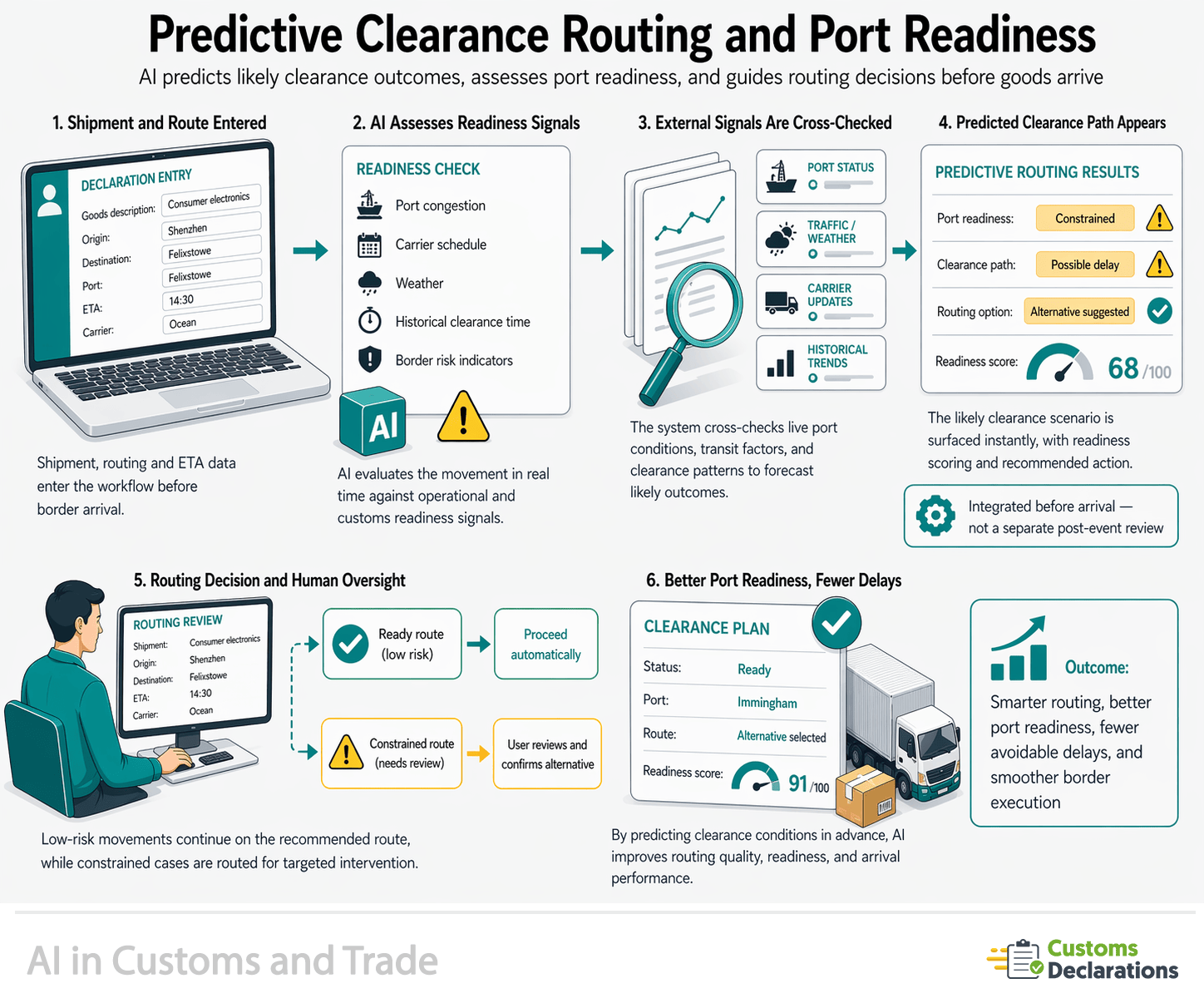



AI In Logistics Software Building Predictive Routing Apps AI In Logistics Software Building Predictive Routing Apps 2026. Customs And Trade AI Moves From Planning Into Execution Q1 2026 06 Predictive Clearance Routing And Port Readiness 1 . AI Predictive Routing For Global Load Balancers Ai Predictive Routing Global Load. Predictive Freight Routing Software A Photograph Depicting Two Logistics Pro CWQ A Ju1XhxF Qki JyFBfe87pQ Sd . Predictive Freight Routing Software A Photograph Depicting A Focused Team Of Ju1XhxF Qki JyFBfe87pQ Sd


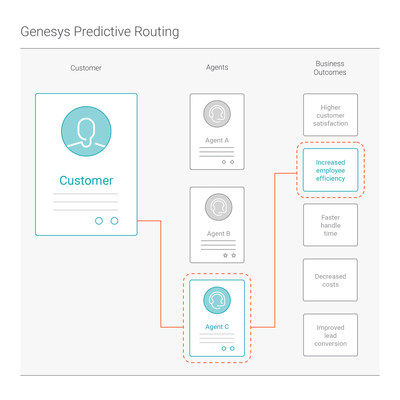

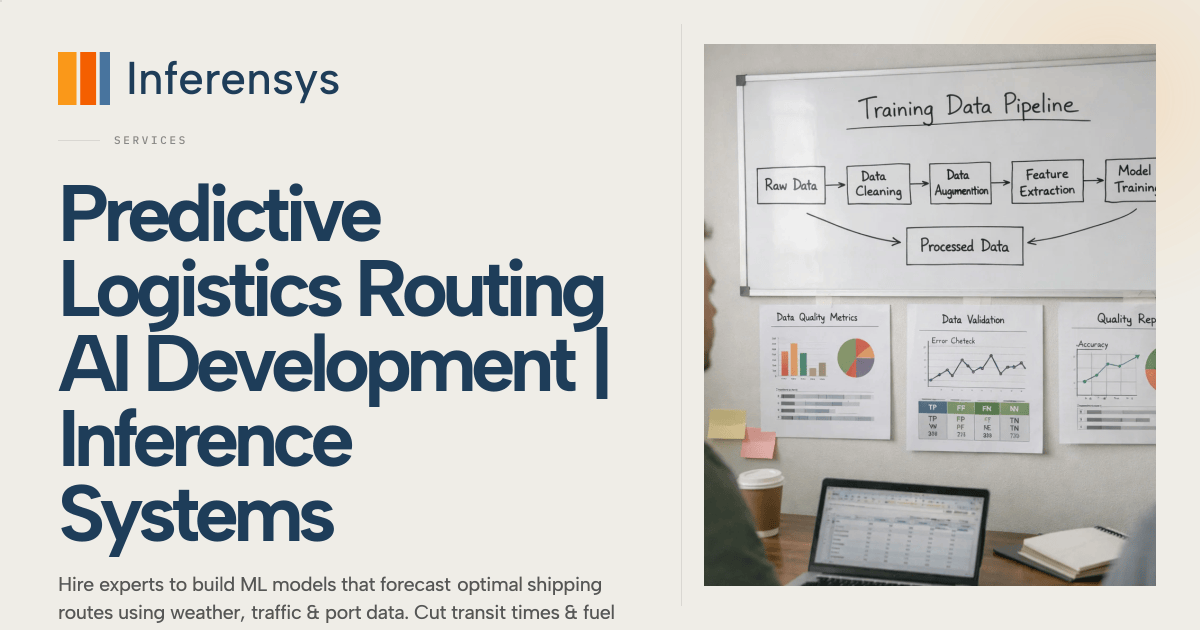
Reduce Delivery Costs With Predictive Routing And AI Dispatching Reduce Delivery Costs With Predictive Routing And Ai Dispatc 1772514166 . Predictive Routing Clinical AI A Proven Method To Reduce Predictive Routing Clinical Ai Learning Node. New Artificial Powered Routing Engine By Genesys Creates Predictive Routing Final 4x 100 Infographic . Predictive Freight Routing Software A Photograph Depicting Two Logistics Pro XaRg Ju1XhxF Qki JyFBfe87pQ Sd . Predictive Logistics Routing AI Development Inference Systems Opengraph Image
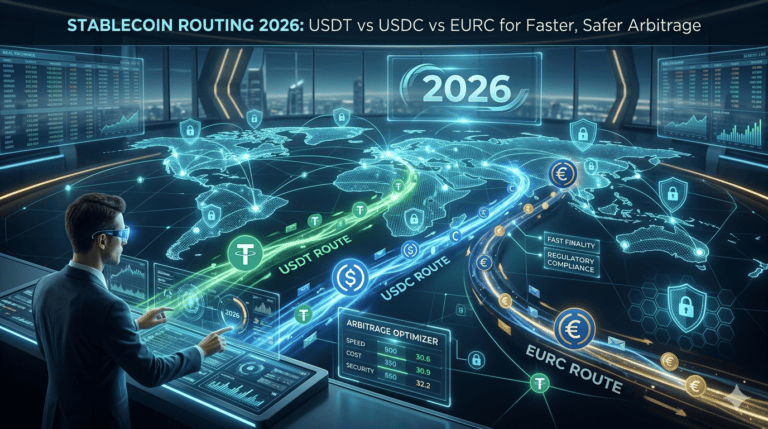


Stablecoin Routing In 2026 USDT Vs USDC Vs EURC For Faster Safer Stablecoin Routing In 2026 768x429 . Predictive Call Routing Using AI Insights To Boost Agent Efficiency Predictive Call Routing Using AI Insights To Boost Agent Efficiency 1024x536 . Predictive AI Call Routing How AI Is Changing Customer Experience Picture4 20.webp. 2026 Predictions 2026 Predictions From The BDC Partners Collective . Territory Reworked Badger Maps User Guide The Power Of Predictive Routing


PDF PF DTN Predictive Routing For Intelligent Delay Tolerant . The Future Of Call Routing AI Automation Predictive The Future Of Call Routing AI Automation Predictive Customer Support 1024x536 . Evaluating LLM Routing Policies 2026 Blog Cover Evaluating Llm Routing Policies 2026.webp. 2026 Technology Predictions Showcase 2026 Predictions Ieee John. The Future Of Predictive Analytics And Betting What Experts Expect By Screenshot 2026 01 21 At 12.43.35


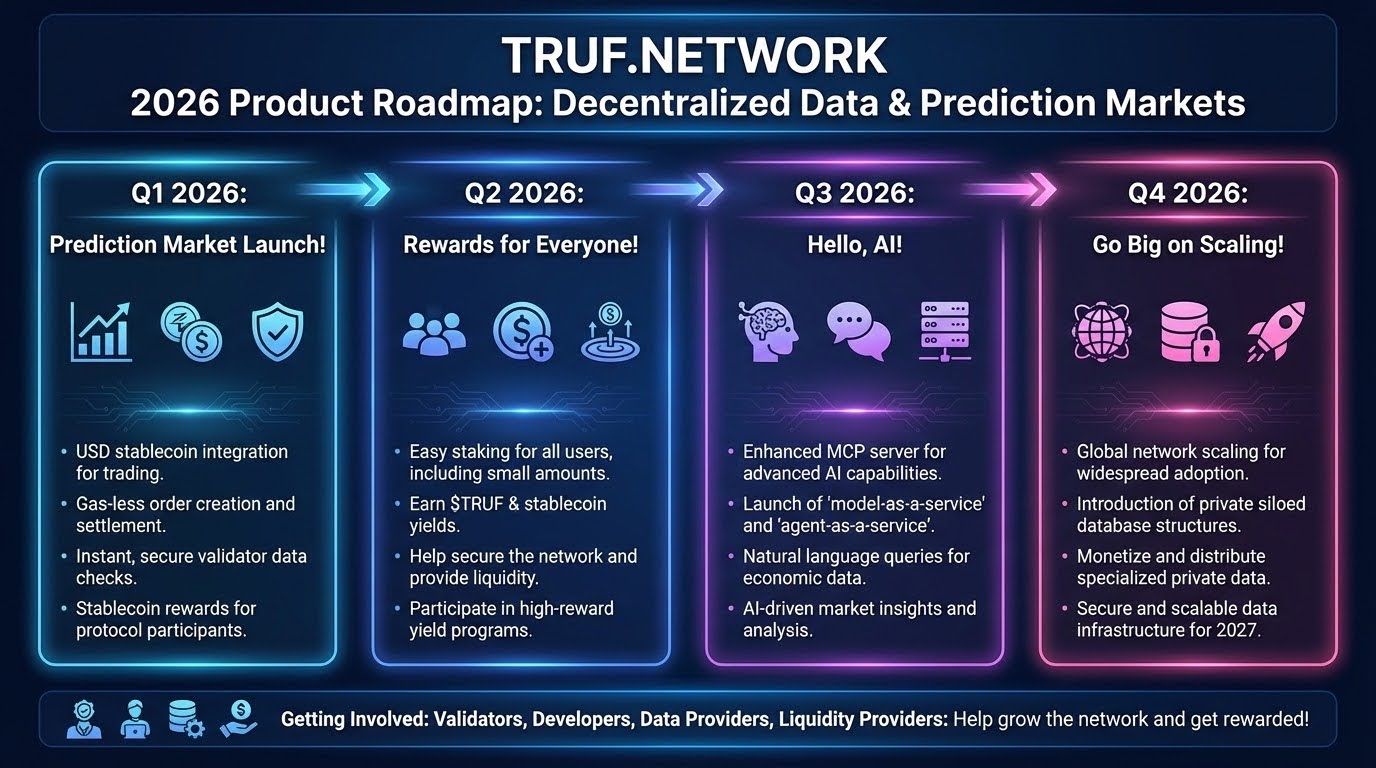

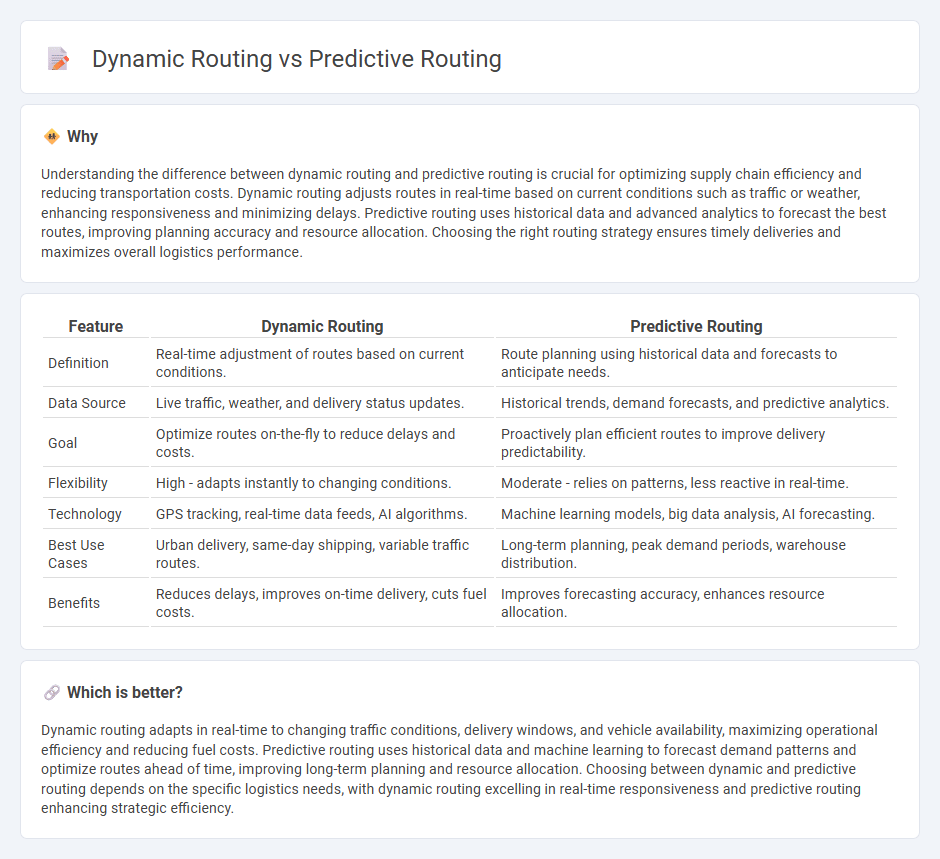
AI Predictive Maintenance Facilities 2026 Guide Ai Predictive Maintenance Facilities Guide 2026 . Predictive Routing Enhancing Team Efficiency Predictive Routing . TRUF NETWORK 2026 Roadmap 2026 Roadmap . Top 10 Predictions For 2026 Noresize Infographic Top 10 Predictions 2026 659x1536 . Dynamic Routing Vs Predictive Routing In Logistics Dowidth Com Predictive Routing Vs Dynamic Routing Infographic


Predictive Freight Routing Software A Photograph Depicting A Focused Team Of Ju1XhxF Qki JyFBfe87pQ Sd . CloudStack Networks Genesys Cloud CX Introduces AI Powered Predictive 753c3d24 0a42 466e 8f07 . Model Routing 2026 How To Build AI Systems That Are Faster Cheaper D0159157 7e00 42af 8900 . Forter Launches Predictive Payment Routing Beta And Intro Merged Image 325725 . Best AI Tools For Public Transit Routing 2026 Guide Com Best AI Tools For Public Transit Routing 2026 Guide.webp




Best 5 AI Gateways For Claude Code Routing 2026 Blog Cover Best Ai Gateways Routing Claude Code Production 2026.webp. Predictive Routing Market Research Report 2033 Global Predictive Routing Report Thumbnail . Predictive Routing And Customer Insights In Genesys Cloud Locus IT Predictive Routing LocusIT . Predictive Analytics Trends Reshaping Steel Industry 2026 Predictive Analytics Trends Reshaping Steel Industry 2026