What are the largest universities by enrollment in Florida?
The largest universities in Florida by student enrollment include the University of Central Florida in Orlando, which is consistently one of the largest in the U.S. Other significant institutions are the University of Florida in Gainesville, Florida International University in Miami, and the University of South Florida in Tampa. These public universities attract tens of thousands of students annually across various undergraduate and graduate programs, offering extensive resources and diverse academic communities.
How many public universities are in Florida's state system?
Florida's State University System comprises twelve public universities. These institutions are strategically located throughout the state, providing a wide range of academic programs and research opportunities. Examples include Florida State University, Florida A&M University, and the University of West Florida. Each university contributes uniquely to the state's educational landscape, offering distinct campus cultures and specialized areas of study for both in-state and out-of-state students.
What are some top-rated private universities in Florida?
Florida is home to several highly-regarded private universities known for their academic excellence and unique programs. Prominent examples include the University of Miami, a leading research institution in Coral Gables; Rollins College in Winter Park, recognized for its liberal arts education; and Stetson University in DeLand, known for its law school and strong undergraduate programs. These private schools often offer smaller class sizes and specialized learning environments.
How do I find universities near specific cities in Florida?
To find universities near specific cities in Florida, utilize online mapping tools like Google Maps or official university system directories that include geographical search filters. Inputting "universities near [City Name, Florida]" will typically display relevant institutions. You can also explore the websites of Florida's public and private university systems, which often provide interactive maps and location-based search functions, making it easy to pinpoint campuses in your desired area.
Are there online universities or programs based in Florida?
Yes, many Florida universities offer extensive online degree programs and distance learning options. Institutions like the University of Florida (UF Online), University of Central Florida (UCF Online), and Florida State University provide fully accredited online bachelor's and master's degrees. Additionally, some private universities and Florida's state colleges offer flexible online courses. These programs are ideal for students seeking flexibility while earning a degree from a Florida-based institution.
What is the average in-state tuition for a public university in Florida?
The average in-state tuition for public universities in Florida is generally considered affordable compared to national averages. For the current academic year, it typically ranges from approximately $6,000 to $8,000 per year for undergraduate programs, though this can vary slightly by institution and specific program fees. This cost does not include room, board, books, or other living expenses. Prospective students should check each university's official financial aid website for precise figures.
map of universities in florida, Florida colleges location, public universities Florida, private colleges in Florida, best Florida universities, apply to Florida colleges, Florida higher education map, university rankings FloridaDiscovering the ideal higher education institution in the Sunshine State is easier with a comprehensive map of universities in Florida. This guide provides essential insights into public, private, and specialized colleges, helping prospective students and families in the U.S. navigate the diverse academic landscape. Learn where top-tier research universities, vibrant liberal arts colleges, and career-focused institutions are situated across Florida, from major metropolitan areas to coastal communities. We detail how to leverage a university map for strategic planning, comparing campus locations, understanding proximity to key amenities, and evaluating the overall student experience. Uncover valuable information on academic programs, tuition considerations, and application processes to empower your decision-making. Whether you are seeking a large public university experience, an intimate private college setting, or a specialized technical school, this resource helps you find, compare, and plan your visits. Explore the options available to secure your academic future and prepare for the next steps in your educational journey. Get ready to pinpoint your perfect Florida campus.
- Which universities are near Orlando Florida? - Orlando is home to the University of Central Florida, one of the largest universities in the U.S. Other institutions nearby include Rollins College in Winter Park, Valencia College, and Seminole State College. These provide diverse academic programs from large public university experiences to smaller private liberal arts settings and community college pathways, all within the greater Orlando metropolitan area.
- What is the average tuition for Florida universities? - For Florida residents, public university in-state tuition typically ranges from approximately $6,000 to $8,000 per year for undergraduates. Out-of-state tuition is significantly higher, usually between $18,000 and $28,000 annually. Private university tuition varies widely but is generally higher than public, though often offset by institutional scholarships. Always check individual university websites for current and exact figures.
- How can I compare academic programs at Florida colleges? - To compare academic programs, first identify your major interest. Then, visit the official websites of Florida universities to review their departmental offerings, faculty profiles, and research opportunities. Look at program-specific rankings from reputable sources. Consider factors like curriculum, class size, internship availability, and career services support. Attending virtual or in-person information sessions can also provide valuable insights.
- Do Florida universities offer out-of-state tuition waivers? - Some Florida universities offer out-of-state tuition waivers or reduced tuition rates under specific circumstances, though they are often competitive and limited. These can include merit-based scholarships, specific talent-based awards, or participation in certain residency waiver programs. Prospective out-of-state students should thoroughly research each university's financial aid page and contact the admissions or financial aid office for detailed information on eligibility and application processes.
- What public universities are in North Florida? - North Florida is home to several prominent public universities. Key institutions include Florida State University and Florida A&M University, both located in Tallahassee, the state capital. The University of West Florida is situated in Pensacola, offering a coastal academic environment. Additionally, the University of North Florida in Jacksonville serves the northeastern part of the state, providing diverse programs and strong regional connections.
- Is it hard to get into a Florida State University? - Admission difficulty for Florida State Universities varies by institution and program. Flagship universities like the University of Florida and Florida State University are highly selective, requiring strong academic records, high standardized test scores, and compelling essays. Other state universities may have more accessible admission criteria. Admission depends on the applicant pool and specific program requirements each year. It is advisable to exceed minimum requirements.
- Where can I find reviews for Florida university campuses? - You can find reviews for Florida university campuses on various online platforms. Websites like Niche.com, College Prowler, Cappex, and Unigo compile student reviews and ratings on academics, student life, housing, and campus safety. Additionally, social media groups, university forums, and Google Reviews for specific campuses can offer insights into student experiences. Always consider a range of reviews for a balanced perspective.
Embarking on the journey to higher education in Florida offers a wealth of opportunities, with a diverse array of universities scattered across the Sunshine State. For prospective students, parents, and academic advisors alike, visualizing these institutions on a map is an invaluable first step. This comprehensive guide is designed to help you navigate the intricate landscape of Florida's colleges and universities, providing a clear overview of their locations, specializations, and unique offerings as of the current academic year.
Understanding the geographical distribution of Florida's educational hubs can significantly influence your decision-making process. Whether you prioritize a bustling urban campus, a tranquil coastal setting, or proximity to specific industries, a clear map of universities in Florida allows you to explore these options effectively. Our aim is to empower you with the navigational tools and informational insights necessary to find the perfect academic fit, helping you to compare institutions, plan campus visits, and ultimately make an informed choice for your future.
This resource focuses on providing practical, actionable information for U.S. searchers, covering everything from the prominent state universities to respected private colleges and specialized institutions. We will delve into how to best utilize a university map for planning, exploring various academic environments, and understanding the critical factors before applying. Get ready to pinpoint your ideal Florida university and chart your course toward academic success.
What Universities Are on the Florida Map?
Florida boasts an impressive and extensive network of higher education institutions, ranging from large public research universities to specialized private colleges. The state's commitment to education means there is a suitable option for nearly every academic interest and career path. When you examine a comprehensive map of universities in Florida, you will immediately notice the wide distribution, with significant concentrations in major metropolitan areas like Miami, Orlando, Tampa, and Gainesville, as well as notable campuses in more suburban and rural settings.
These institutions are typically categorized into several types, each offering a distinct educational experience. Understanding these categories is crucial for narrowing down your search based on your academic goals, preferred campus size, and desired learning environment. The map highlights flagship public universities, which are often larger and research-intensive, alongside smaller public institutions, and a vibrant collection of private universities and colleges that may offer more specialized programs or a different community feel.
Beyond traditional four-year universities, Florida's educational map also includes numerous state colleges (often referred to as community colleges) that provide associate degrees and pathways to four-year programs, as well as specialized institutions focusing on arts, technology, or specific professional fields. This rich tapestry ensures that students have a broad spectrum of choices, whether they are beginning their academic journey or pursuing advanced degrees. Exploring the map allows you to visualize these options in relation to Florida's diverse geographical and cultural landscape.
Public Universities in Florida
Florida's public university system is renowned for its quality, affordability, and extensive research opportunities. Institutions like the University of Florida in Gainesville, Florida State University in Tallahassee, and the University of Central Florida in Orlando are prominent features on any map of universities in Florida. These universities serve hundreds of thousands of students annually and offer a vast array of undergraduate and graduate programs across almost every discipline imaginable.
The State University System of Florida includes twelve distinct universities, strategically located throughout the state to provide educational access to a wide population. From the urban campuses of Florida International University in Miami and the University of South Florida in Tampa, to the more focused campuses like Florida Gulf Coast University in Fort Myers, these public institutions play a vital role in the state's economic and intellectual development. Prospective students should review their specific locations on a map to assess commute times, surrounding communities, and proximity to internships or career opportunities.
Each public university possesses its own unique character, academic strengths, and campus culture. For example, UF is a top-ranked research institution, while FSU is known for its strong arts programs, and UCF is one of the largest universities by enrollment in the nation. Utilizing a detailed map allows you to pinpoint these differences geographically, helping you visualize your potential student experience and consider factors like climate, local job markets, and recreational activities available near each campus.
Private Universities and Colleges Across Florida
In addition to its robust public system, Florida is home to a significant number of private universities and colleges that offer diverse educational experiences. These institutions, often smaller in scale than their public counterparts, are peppered throughout the state and provide unique academic programs, specialized focus areas, and often a more intimate learning environment. Notable examples that appear on the map of universities in Florida include the University of Miami, Rollins College in Winter Park, and Stetson University in DeLand, among many others.
Private universities frequently distinguish themselves through their specific missions, religious affiliations, or unique pedagogical approaches. They might offer highly specialized curricula, smaller class sizes, or a strong emphasis on particular fields such as liberal arts, business, or specific professional training. Their geographical spread can also offer distinct advantages, placing them in vibrant urban centers, charming small towns, or serene suburban settings, all of which contribute to a unique campus atmosphere.
When considering private options, using a map helps to visualize their locations relative to your preferences, whether you desire proximity to a major city for cultural opportunities or a more secluded campus conducive to focused study. It is important to explore their specific programs, tuition structures, and scholarship opportunities, as these often differ significantly from public institutions. Many private colleges are highly selective and offer a personalized educational journey for those seeking a distinct academic community.
Specialized Institutions and Community Colleges
Beyond traditional four-year universities, Florida's educational landscape on a map also includes a vital network of specialized institutions and state colleges, formerly known as community colleges. These institutions serve a crucial role in providing accessible education, workforce training, and pathways to bachelor's degrees. Locations are widespread, ensuring that educational opportunities are available in nearly every region of the state, from the Panhandle to the Florida Keys.
Florida's state college system, comprising 28 institutions, offers associate degrees, technical certificates, and often prepares students to transfer to four-year universities. These colleges are strategically placed to serve local communities, making them excellent options for students seeking affordable education close to home. Examples like Tallahassee Community College, Miami Dade College, and St. Petersburg College are prominent on any detailed map, illustrating their broad coverage and local accessibility. Many also offer specialized programs for local industry needs.
Furthermore, specialized institutions focusing on specific fields such as arts (e.g., Ringling College of Art and Design), aviation, or health sciences are also present. These colleges often provide highly focused curricula and hands-on training, preparing students for specific career paths. Locating these on a map helps aspiring professionals find institutions aligned with their niche interests, ensuring they are geographically positioned to access specialized resources and industry connections unique to their chosen field in Florida.
How Can I Use a University Map to Plan My Education?
A university map is far more than just a visual aid; it is a powerful planning tool for prospective students. Utilizing a map of universities in Florida effectively can streamline your college search by helping you visualize logistical factors, compare regional advantages, and assess the overall fit of an institution within your lifestyle. It allows for a systematic approach to identifying potential campuses, rather than just relying on lists, giving you a real sense of geographical context.
By plotting various universities on a map, you gain immediate insights into their geographical distribution and proximity to other important locations such as your current home, potential internship sites, or family members. This visual representation helps in understanding travel times, regional climates, and the overall environment surrounding each campus. This strategic approach ensures you consider not only the academic offerings but also the practical aspects of living and studying in a particular part of Florida.
Moreover, a map facilitates a comparative analysis between institutions. You can easily identify clusters of universities in specific areas, allowing for efficient campus visits or comparisons of schools within a similar region. This detailed geographical understanding empowers you to make more informed decisions about where you might thrive academically and personally, integrating your educational goals with your broader life plans and preferences within the diverse Florida landscape.
Identifying Location and Proximity
One of the primary benefits of using a map of universities in Florida is the ability to clearly identify the location of each institution and its proximity to key areas. Are you looking for a university in a major city like Orlando or Tampa, with access to diverse job markets and cultural attractions? Or do you prefer a quieter, more suburban or rural campus environment? The map immediately provides answers to these geographical questions, influencing your choice of setting.
Beyond the campus itself, consider what is "near me." A map helps you visualize distances to airports, major highways, healthcare facilities, and potential off-campus housing options. For students who plan to commute or rely on public transportation, understanding these proximity factors is crucial. It also helps in assessing the ease of visiting family or friends, or for them to visit you, making travel logistics a more manageable part of your college planning.
For those interested in specific career fields, knowing the proximity of universities to relevant industries or research parks can be a significant advantage. For instance, a student interested in aerospace might look at universities near Cape Canaveral, while those in hospitality might focus on institutions near Orlando's theme parks. The map serves as a practical tool for aligning your academic location with your future career aspirations and lifestyle needs in Florida.
Comparing Campus Environments and Offerings
A university map extends its utility beyond mere location by implicitly aiding in the comparison of campus environments and offerings. The location often dictates the type of experience a student will have. An urban campus, like those in downtown Miami, typically offers vibrant city life, diverse cultural experiences, and numerous internship opportunities, but might have limited green spaces. A suburban campus might strike a balance, while a rural campus could provide a strong sense of community and outdoor activities.
Visually comparing universities on a map allows you to consider the broader context of each institution. Are there multiple universities in a specific area, suggesting a robust academic ecosystem and perhaps more competitive resources? Or is a university more isolated, potentially fostering a tighter-knit community? These insights, derived from geographical understanding, help you form a clearer picture of what daily life and academic pursuits might entail at each institution.
Furthermore, the map helps to visualize the density of academic resources. Areas with several colleges might offer shared facilities or unique inter-campus collaborations. By examining the locations, you can also infer potential differences in local cost of living, student housing options, and recreational activities. This holistic view, facilitated by geographical visualization, is essential for selecting a university that aligns with your personal preferences and academic journey in Florida.
Planning Campus Visits and Tours
Once you have identified potential universities on your map of universities in Florida, the next logical step is to plan campus visits and tours. A map becomes indispensable for optimizing your travel itinerary. By grouping geographically close institutions, you can schedule multiple visits efficiently, saving both time and travel expenses. This is particularly useful for out-of-state students or those planning extensive tours across Florida.
Before embarking on your visits, use the map to mark important points of interest around each campus, such as parking areas, admissions offices, specific academic buildings, and student housing. This detailed pre-planning ensures that your campus visit is productive and allows you to make the most of your time on site. Many university websites also provide interactive maps that can be integrated with your own planning, offering virtual tours before an in-person visit.
During your visit, pay close attention to the campus layout, accessibility, and the surrounding community, all of which you initially assessed on the map. Observe how students interact, the availability of public transportation, and the overall atmosphere. These on-the-ground observations, informed by your map-based research, will provide invaluable context and help solidify your decision about whether a particular Florida university is the right fit for your academic and personal growth.
Where Can I Find Top-Rated Universities in Florida?
For many prospective students, identifying top-rated universities is a key factor in their college search. Florida is home to several institutions consistently recognized for their academic excellence, research contributions, and overall student experience. When consulting a map of universities in Florida, you will notice these highly-ranked schools are distributed across the state, offering various strengths in different fields.
To find these top-tier institutions, it's essential to consult reputable university ranking systems, such as those provided by U.S. News & World Report, Forbes, or Times Higher Education. These rankings often evaluate universities based on criteria like academic reputation, student-faculty ratio, graduation rates, and research output. While rankings are a useful starting point, it's crucial to look beyond the overall score and investigate programs specific to your interests.
The "top-rated" designation can also be subjective, depending on individual priorities. Some students might prioritize a university with strong engineering programs, while others seek a vibrant arts scene or a leading business school. By overlaying your specific academic and personal interests onto the geographical data provided by a university map, you can effectively pinpoint the top-rated institutions that truly align with your unique definition of excellence in Florida.
Researching Rankings and Academic Programs
When searching for top-rated universities on a map of universities in Florida, the initial step involves thorough research into both general rankings and specific academic program strengths. While a university might be highly ranked overall, it's vital to ensure its department or college for your chosen major also maintains a strong reputation. For instance, a university renowned for its medical school might also have a highly regarded engineering program, but it's important to verify.
Utilize online resources, official university websites, and academic journals to delve into program-specific rankings and faculty research. Pay attention to factors such as faculty expertise, available research opportunities, specialized labs, and alumni success in your field. This detailed investigation ensures that you are not just choosing a top university, but rather a top program within a university that aligns with your career aspirations.
The geographical location of a program can also be significant. For example, maritime studies programs might be stronger at coastal universities, while agriculture programs might thrive in more rural areas. Using the map to identify these regional academic strengths helps you narrow down your choices to institutions that not only have high overall rankings but also excel in the specific areas that matter most to your educational and professional future in Florida.
Considering Student Life and Resources
Beyond academics, the quality of student life and the availability of resources are critical components of a top-rated university experience. When you explore a map of universities in Florida, consider how the campus environment and surrounding community contribute to student well-being and engagement. Factors like student organizations, recreational facilities, campus events, and local attractions all play a significant role in shaping your college years.
Research the types of support services offered, including academic advising, career counseling, mental health services, and tutoring centers. A university that is highly rated often provides robust resources designed to help students succeed both inside and outside the classroom. Look for information on student housing options, dining plans, and campus safety initiatives, all of which contribute to a comfortable and secure living and learning environment.
The local community around a university also greatly impacts student life. Is there a vibrant college town atmosphere, or is the university integrated into a larger city? Consider accessibility to off-campus amenities like restaurants, shops, entertainment venues, and part-time job opportunities. A comprehensive map helps you visualize these aspects, ensuring that your chosen Florida university offers a well-rounded experience that supports both your academic growth and personal development.
Understanding Application Processes and Deadlines
Once you have identified potential top-rated universities on the map of universities in Florida, understanding their specific application processes and deadlines becomes the next critical step. Each institution, whether public or private, typically has its own unique requirements, including standardized test scores, essays, recommendation letters, and application fees. It is imperative to review these details carefully for every university you plan to apply to.
Pay close attention to early action, early decision, and regular decision deadlines, as these can vary significantly. Missing a deadline could mean missing an opportunity to attend your dream school. Many Florida universities utilize common application platforms, but always double-check for supplementary materials or specific institutional requirements that might not be covered by the general application. Create a checklist for each university to stay organized.
Additionally, investigate scholarship opportunities and financial aid deadlines, which are often separate from admission deadlines. Many top-rated universities offer merit-based scholarships and need-based aid, and early application for these resources can be highly beneficial. Proactively gathering all necessary documents and submitting your application well in advance ensures a smoother process and maximizes your chances of admission to your preferred Florida university.
What Should I Know Before Applying to Florida Universities?
Applying to universities in Florida requires careful planning and a clear understanding of what each institution expects. Before you even fill out the first application, gathering comprehensive information about tuition, admission criteria, and campus support will significantly streamline your process and help you make the best decision for your future. This proactive approach ensures you are fully prepared and can address any potential challenges effectively.
It is not just about academic fit; financial considerations, the student support network, and the overall campus environment play equally important roles. Knowing these details beforehand allows you to compare universities more holistically and choose an institution that not only meets your academic aspirations but also aligns with your financial capabilities and personal needs. A well-prepared applicant is a confident applicant.
This section will guide you through the essential knowledge points necessary before submitting your applications. From understanding the varying costs of attendance across the state to deciphering admission requirements and exploring available student resources, we aim to equip you with the insights needed to navigate the application journey successfully. Making an informed decision based on these factors is paramount for a positive university experience in Florida.
Tuition Costs and Financial Aid Opportunities
Understanding tuition costs is paramount when considering universities on the map of universities in Florida. Florida's public universities are generally known for their relatively affordable in-state tuition rates, making them an attractive option for Florida residents. However, out-of-state tuition can be significantly higher. Private universities, regardless of residency, typically have higher tuition fees, although they often offer substantial institutional scholarships.
Beyond tuition, prospective students must also account for other expenses such as room and board, books and supplies, transportation, and personal expenses. These costs can vary widely depending on the university's location, whether you live on or off campus, and your personal spending habits. It is crucial to review the total cost of attendance for each institution to get a realistic financial picture before applying.
Financial aid opportunities are available to help offset these costs. This includes federal aid (Pell Grants, Stafford Loans), state aid (Florida Bright Futures Scholarship Program, among others), and institutional scholarships. It is highly recommended to complete the Free Application for Federal Student Aid (FAFSA) as early as possible. Researching each university's specific scholarship programs and financial aid deadlines is vital to maximize your chances of receiving assistance.
Admission Requirements and Deadlines
Admission requirements for Florida universities vary considerably based on the institution's selectivity and whether it is public or private. Generally, all universities will require high school transcripts, standardized test scores (SAT/ACT), and a completed application form. More selective universities may also request essays, letters of recommendation, and interviews. Always consult the official admissions website for each university for the most accurate and current requirements.
Paying close attention to application deadlines is critical. Most Florida universities have early application periods, which can sometimes increase your chances of admission or scholarship consideration, and regular decision deadlines. These dates are firm, and late applications are rarely considered. Creating a calendar with all relevant deadlines for each university you are interested in is an excellent strategy to stay organized and avoid missing crucial submission windows.
Additionally, some programs within universities might have specific prerequisites or supplemental application processes. For instance, certain engineering, nursing, or arts programs may require portfolios, auditions, or additional essays. Ensure you thoroughly research these program-specific requirements well in advance to prepare all necessary materials. Being well-prepared and timely with your submissions will significantly enhance your application's competitiveness for any Florida university.
Campus Safety and Student Support Services
When choosing a university on the map of universities in Florida, assessing campus safety and the availability of student support services is just as important as academic rigor. A safe and supportive environment is crucial for academic success and personal well-being. Universities typically provide extensive information on their safety measures, including campus police presence, emergency alert systems, and safety escorts. Reviewing annual campus security reports (Clery Act reports) can offer valuable insights.
Beyond physical safety, explore the range of student support services available. This includes academic advising, which helps guide you through your degree path; career services, offering internship and job placement assistance; and mental health counseling. Many universities also provide specialized support for students with disabilities, international students, and first-generation college students, ensuring a diverse and inclusive learning environment.
The quality and accessibility of these services can significantly impact your overall university experience. Understanding what resources are in place to help you thrive, both academically and personally, is a key factor in selecting the right institution. A university that invests heavily in comprehensive student support demonstrates a commitment to its students' success, providing a comforting safety net as you navigate your higher education journey in Florida.
Exploring the map of universities in Florida reveals a vibrant and diverse landscape of higher education opportunities. From top-ranked public research institutions to specialized private colleges and accessible community colleges, the Sunshine State offers an academic path for every aspiring student. By utilizing geographical insights alongside detailed academic and financial information, you can make a truly informed decision about your future.
We encourage you to leverage the tools and information provided here to identify universities that not only align with your academic goals but also resonate with your personal preferences for campus environment and student life. Take the time to research specific programs, understand tuition costs, and meticulously prepare for the application process, paying close attention to deadlines and requirements.
Your next step should involve visiting the official websites of your preferred Florida universities, scheduling campus tours, and contacting admissions offices with any specific questions. By taking these proactive measures, you will be well-equipped to choose the university that offers the best foundation for your educational and professional journey in Florida, ensuring a rewarding and successful college experience.
Florida university locations, best colleges in Florida map, public university tuition Florida, comparing Florida private schools, universities near Miami Florida, how to visit Florida campuses, Florida college application guide, top rated Florida universities reviews

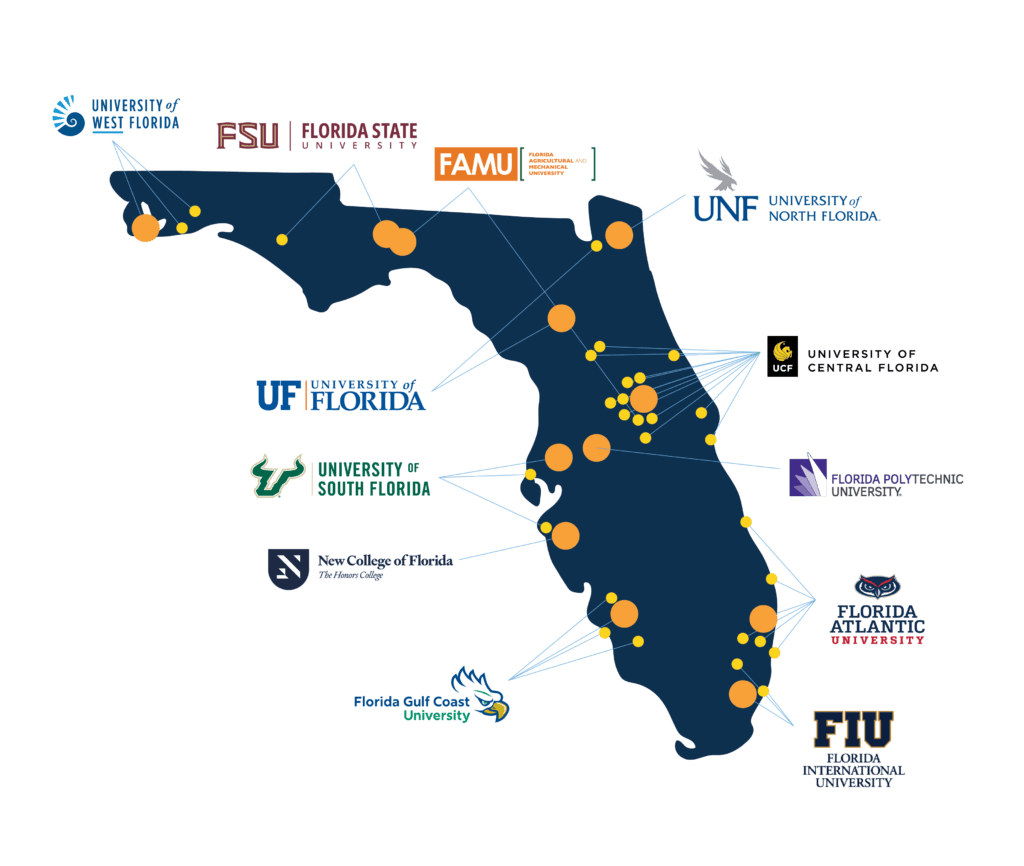


Home Milestone College Prep Florida Schools 01 Scaled . State In Florida Map A Guide To Locations SUSF Map Color 1024x866 . United States Map Florida Florida Map . Colleges Hedberg Maps FL8 10 23 . Florida City Map Artofit


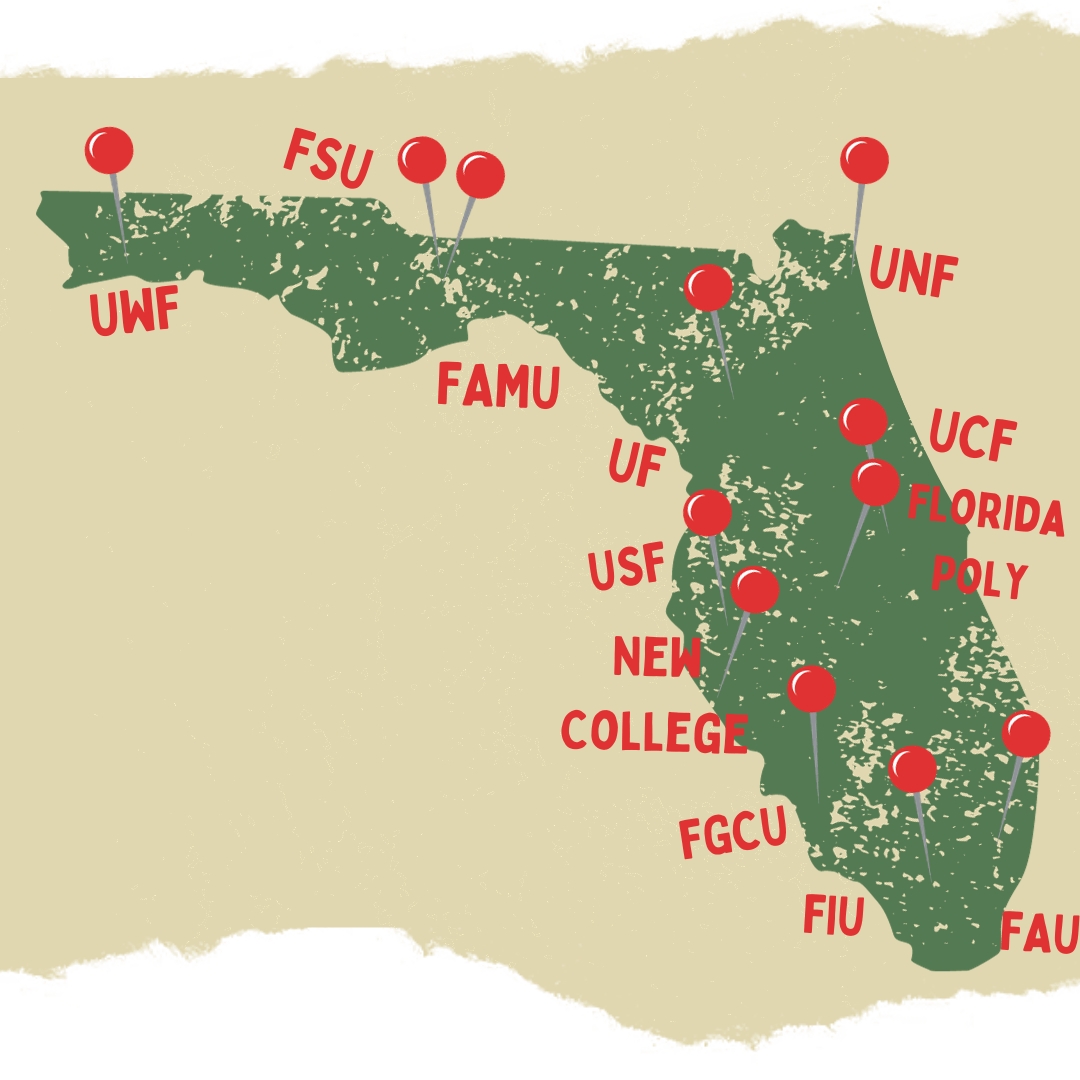

Colleges Hedberg Maps Florida College Map Hedberg 1024x1024 . Map Of Florida Colleges And List Of Colleges And In Florida Colleges In The State Of Florida 727021 . PROJECT 47109 Orig . The Trinity Voice The Student News Site Of Trinity Preparatory School Zach Map 1 . Map Of Colleges And In Florida Maps Of Florida About Us State University System Of Florida Regarding Map Of Colleges And In Florida


Geography Florida University At Susan Villanueva Blog Florida University . Map Of Florida And Colleges . Map Of Florida Colleges Map Of Florida Colleges And Bnhspine Regarding Florida Within Florida State Colleges Map . Map Of Colleges And In Florida Maps Of Florida Member Colleges Florida Council For Resource Development Throughout Map Of Colleges And In Florida 1024x968 . Admissions Guide For All FL Public Families With Teens In Florida

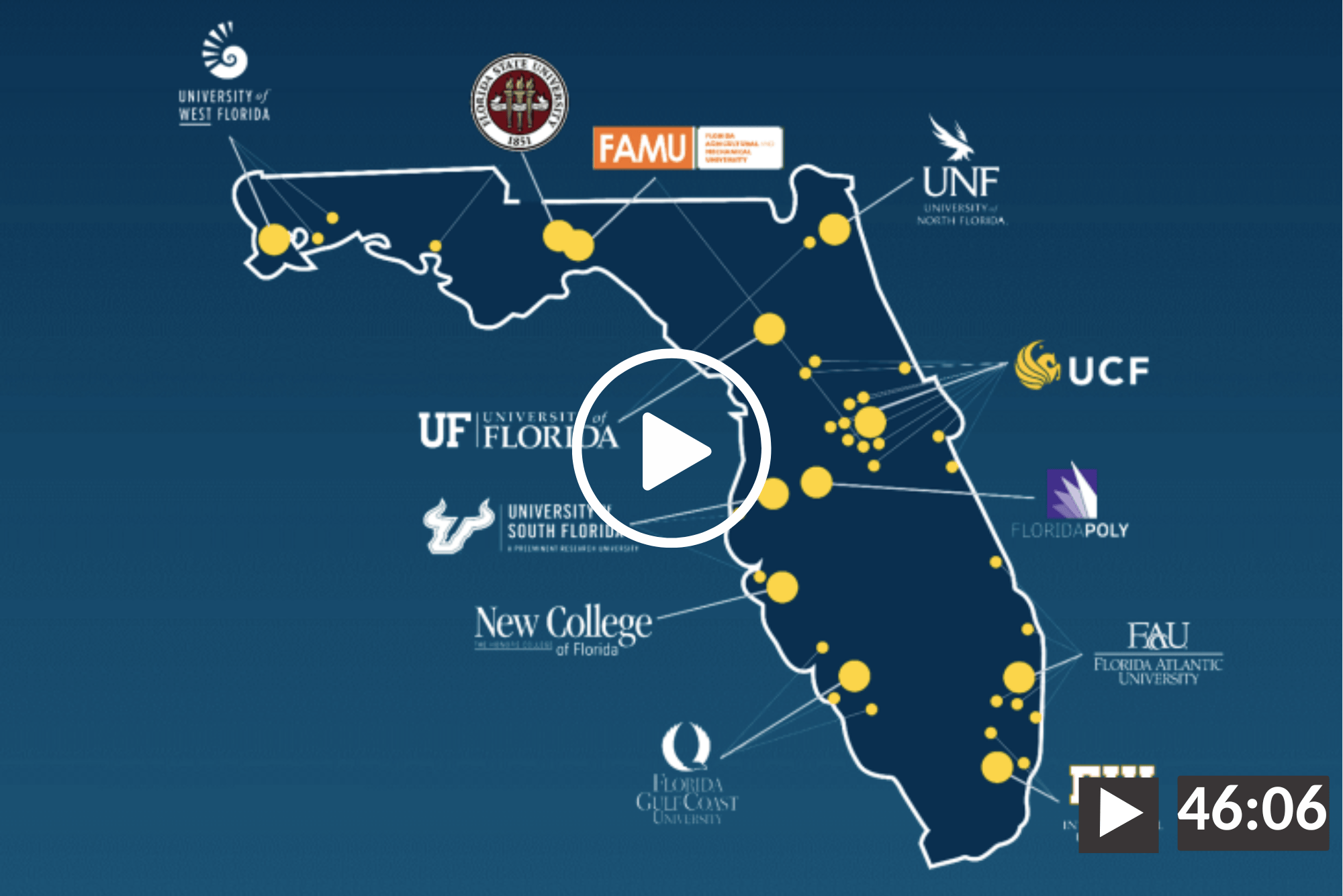
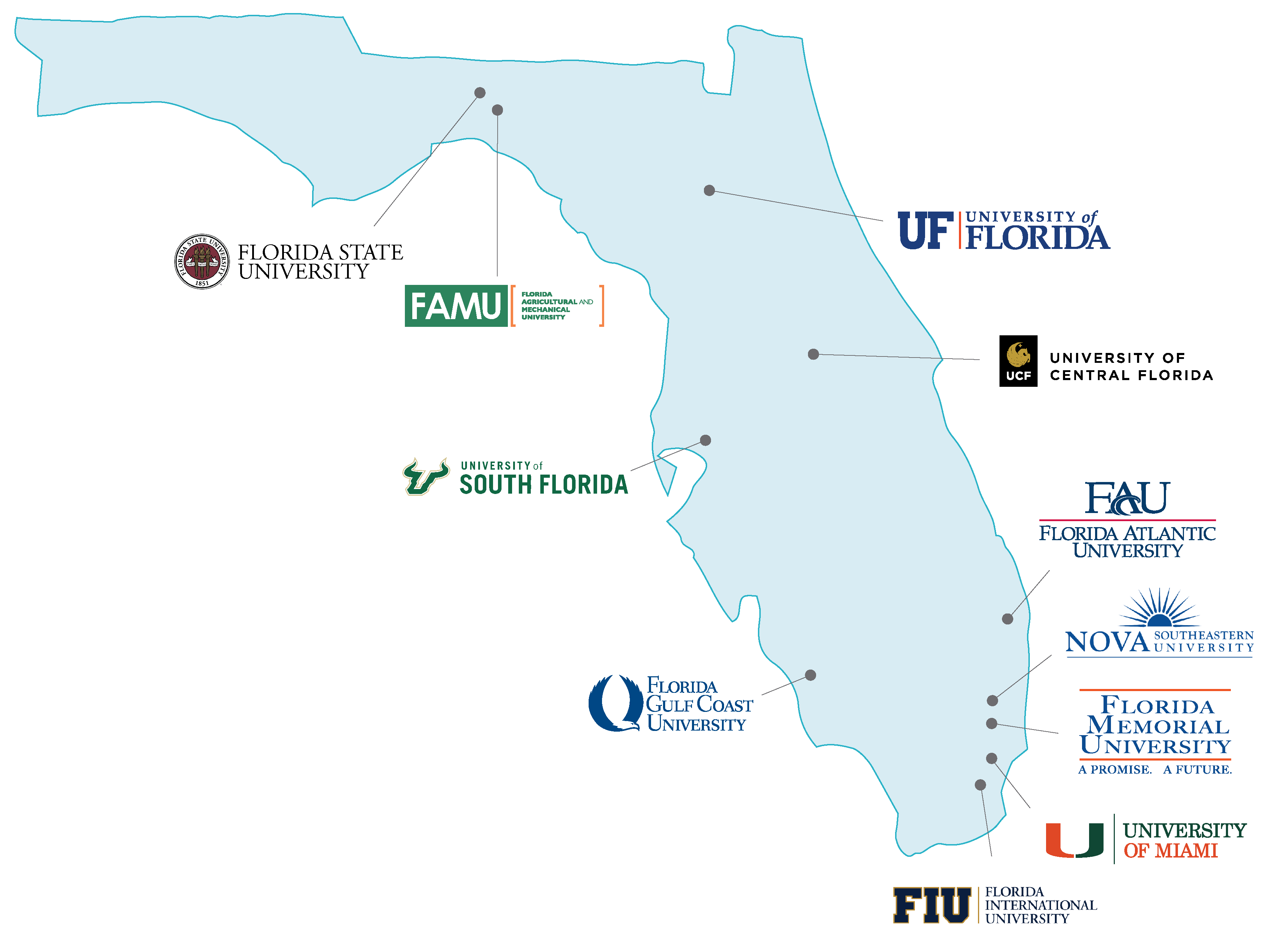


Where Are The Best Colleges Located Colleges In Florida Map . Florida State Admissions Update Milestone College Prep Florida State Admissions Update . About CCORC Consortium Members Map Updated . College Near Key West At Ryan Knight Blog D1 Colleges In Florida Map 1 . Map Of Florida Colleges And Maps Of Florida Filemap Of The Florida College System Wikimedia Commons With Map Of Florida Colleges And


State In Florida Map A Guide To Locations Private Colleges And Of Florida Guidance 2 . Map Of Florida Colleges And Colleges . Map Of Colleges And In Florida 144 1447359 Florida Sbdc Network State Director On Small Business . Seniors Navigate Through The College Process The Seahawk S Eye 693x900 . FIEA Collegiate Game Jam 2026 Florida Interactive Academy State Web 2025 12


In Florida Map All For One Florida Map Of Regarding Florida State Colleges Map . For New And Colleges Regional ChatGPT Image Sep 3%2C 2025%2C 05 20 04 PM . Florida State Colleges Map Printable Map All For One Florida State Map Florida Colleges And Within Florida State Colleges Map . Multimedia An Overview For The Top Colleges In Florida Eagle Eye News . Deferred Maintenance Projects To Be Completed Through 2026 BAD96BD5 37CB 4194 95C4 1024x707


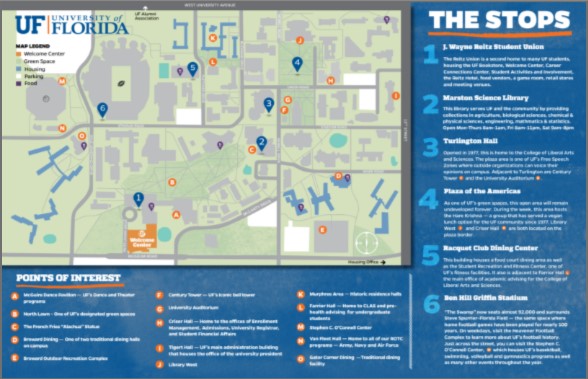

Florida Colleges And Map . Mapa De La Universidad Tecnol Gica De Florida Map Of South Florida Preeminent Map . Map Of Florida Colleges And Florida University Florida Colleges Map World Map With Florida State Colleges Map . Visit University Of Florida Map . UF Tops Florida Schools In 2026 Best Colleges List Axios Miami